
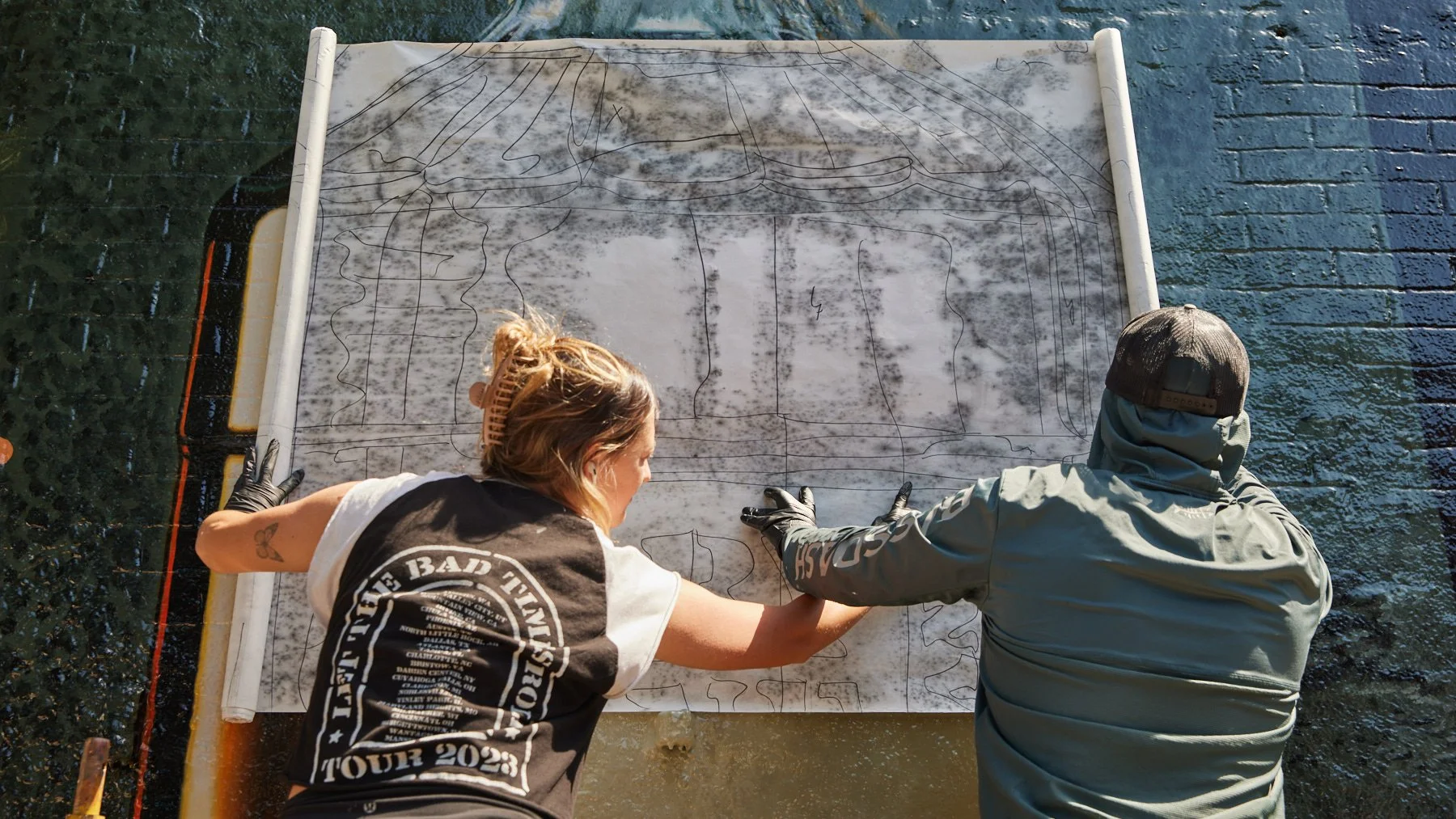
HAND-PAINTED History
For more than a century, hand-painted outdoor advertising has shaped the look of cities.
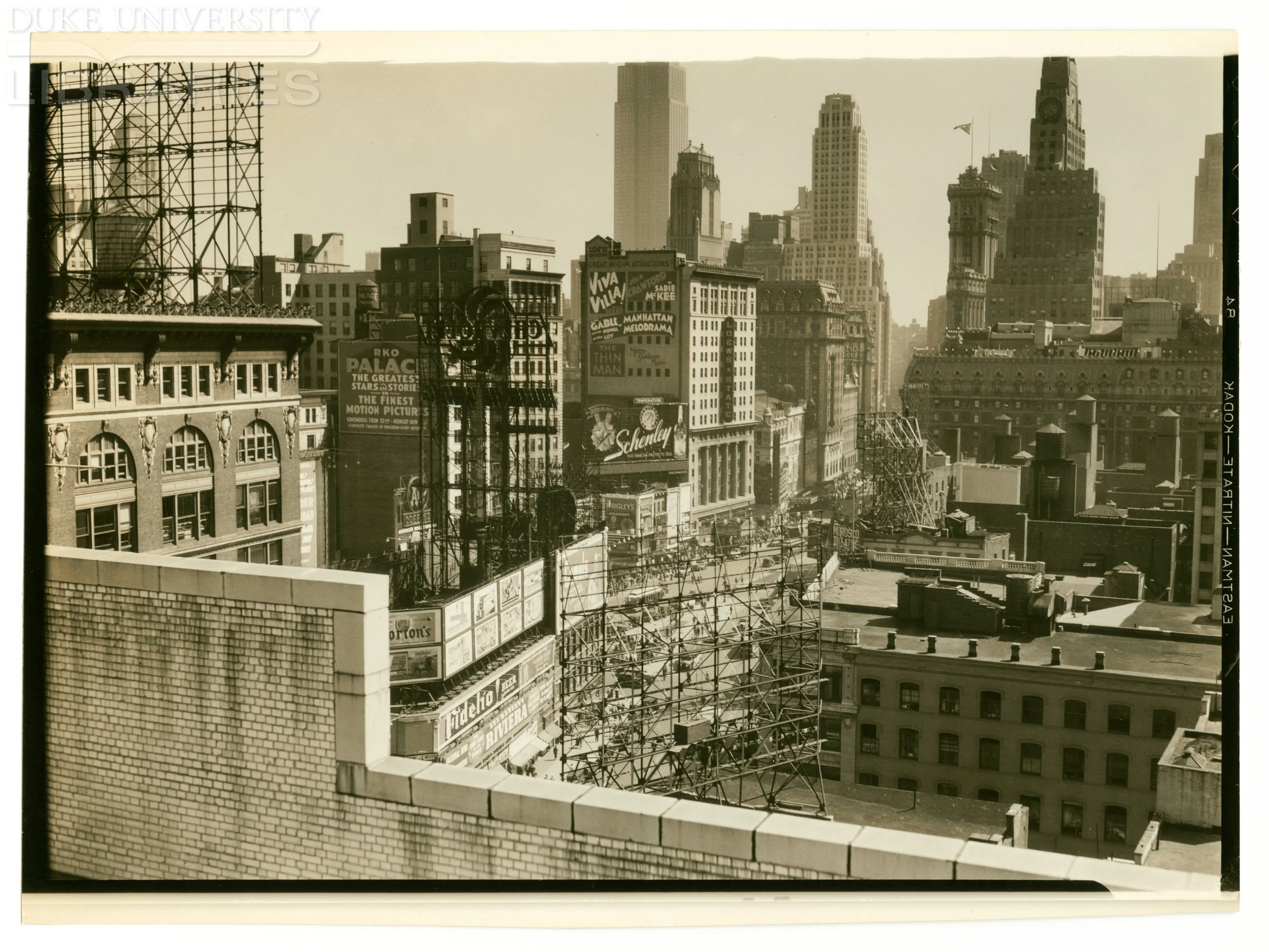
Long before vinyl wraps, LED screens, and programmatic billboards dominated skylines, nearly every business sign and large-scale advertisement in America was painted by hand. In the late 19th and early 20th centuries—especially in places like Times Square—skilled sign painters and muralists, often called walldogs, scaled wall façades to letter movie promotions, soda ads, tobacco brands, and department store signage directly onto buildings.
These hand-painted murals were not decorative flourishes. They were the original billboards.
The golden Age
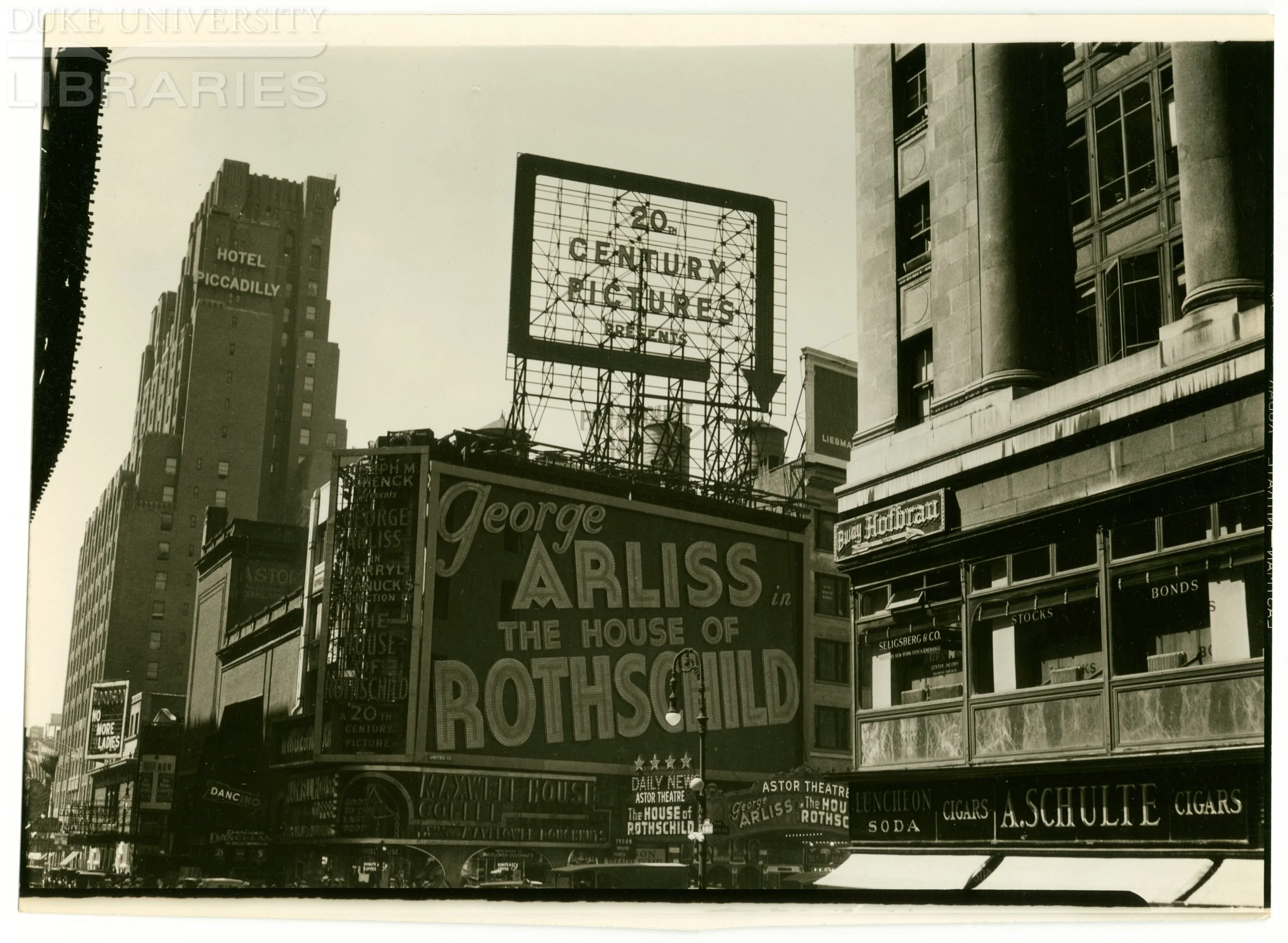
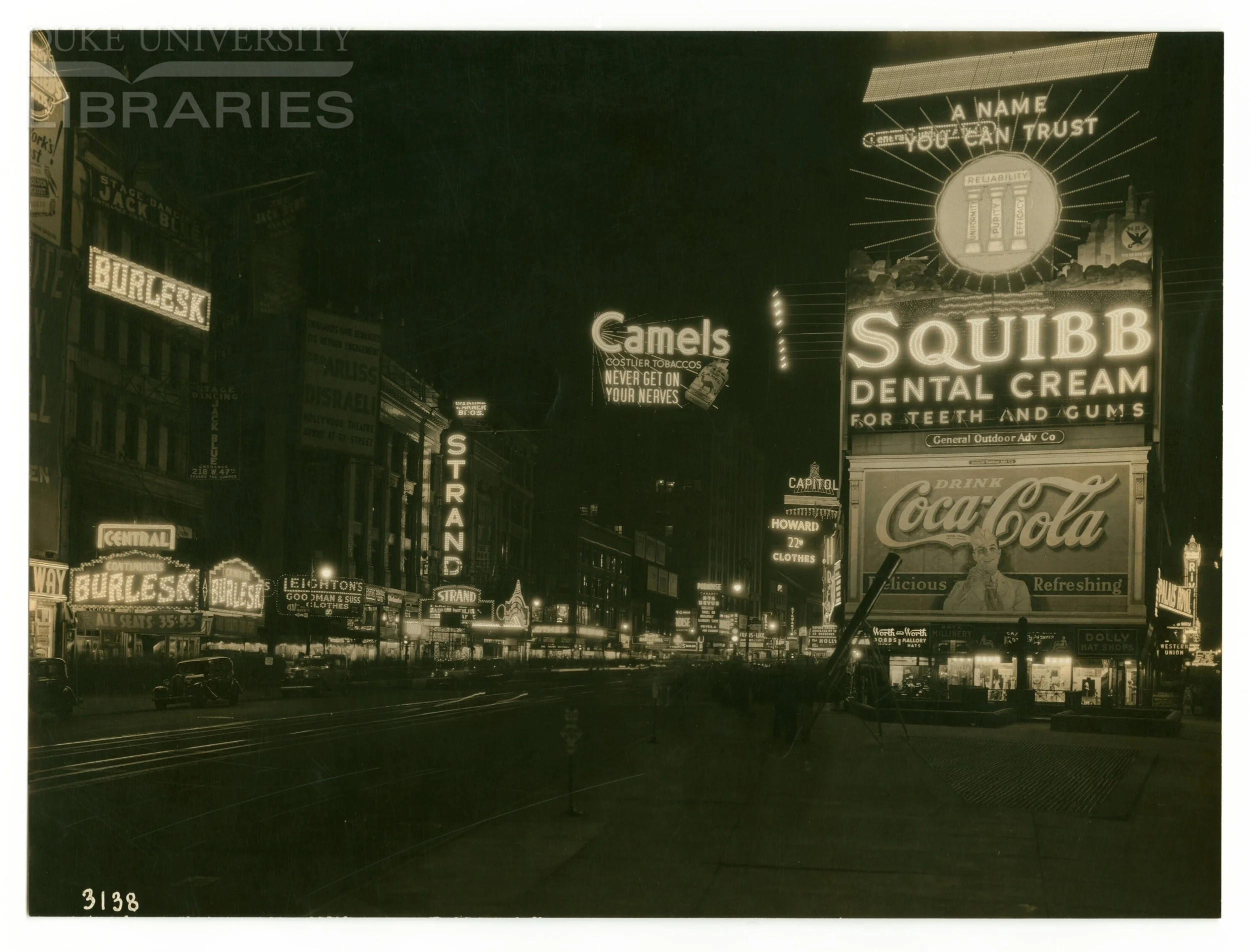
In early New York City, theatrical marquees, liquor brands, and film studios relied on paint to command attention from street-level audiences.
During this era, sign painting was a highly specialized trade. Apprentices learned typography, perspective, paint chemistry, and rigging—often from family members or experienced painters. The profession, like many skilled trades of the time, was overwhelmingly male-dominated, and techniques were guarded closely.
Today, that lineage continues through modern apprenticeship programs — including Colossal’s—helping expand who gets to practice and preserve the craft of hand-painted advertising.
Storefronts, Ghost Signs & Civic Life
Beyond movies and consumer brands, paint communicated the everyday business language of neighborhoods.
Across boroughs, hand-painted storefront signs announced butcher shops, bakeries, pharmacies, and bars. Today, fading “ghost signs” linger on brick long after businesses have closed, and there’s a resurgence in businesses opting for hand-painted storefront signage.
Paint was not only for advertising and commercial use. It was political, civic, menu-forward, and cultural. Protest placards, community announcements, restaurant specials, and public health messaging were lettered by hand long before printing technology became affordable and scalable.


THE Decline of the Painted Billboard
By the mid-20th century, technological shifts began to transform outdoor advertising.
Electric signs, neon, fabricated letters, and eventually vinyl billboards offered faster production and standardized formats. Digital screens would later promise instantaneous creative swaps, and as these tools spread, large-scale hand-painted advertising nearly disappeared as a mainstream commercial medium.
Sign painters continued to work on storefronts and specialty commissions, but entire generations grew up without seeing mural advertisements painted live on city walls.
The once ever-present craft became rare.
A COLOSSAL REVIVAL
In 2004, three friends imagined what it would look like to bring hand-painted advertising back into the fold of outdoor advertising offerings. One was a walldog and sign painter. Another, a graffiti artist. The third, the founder of Mass Appeal magazine.
Together, they believed brands would again value physical presence, craftsmanship, and cultural relevance at scale. They incorporated, assembled crews, and hit the pavement selling hand-painted mural advertising to whoever would take a chance on paint.
More than twenty years later, that vision continues through Colossal .
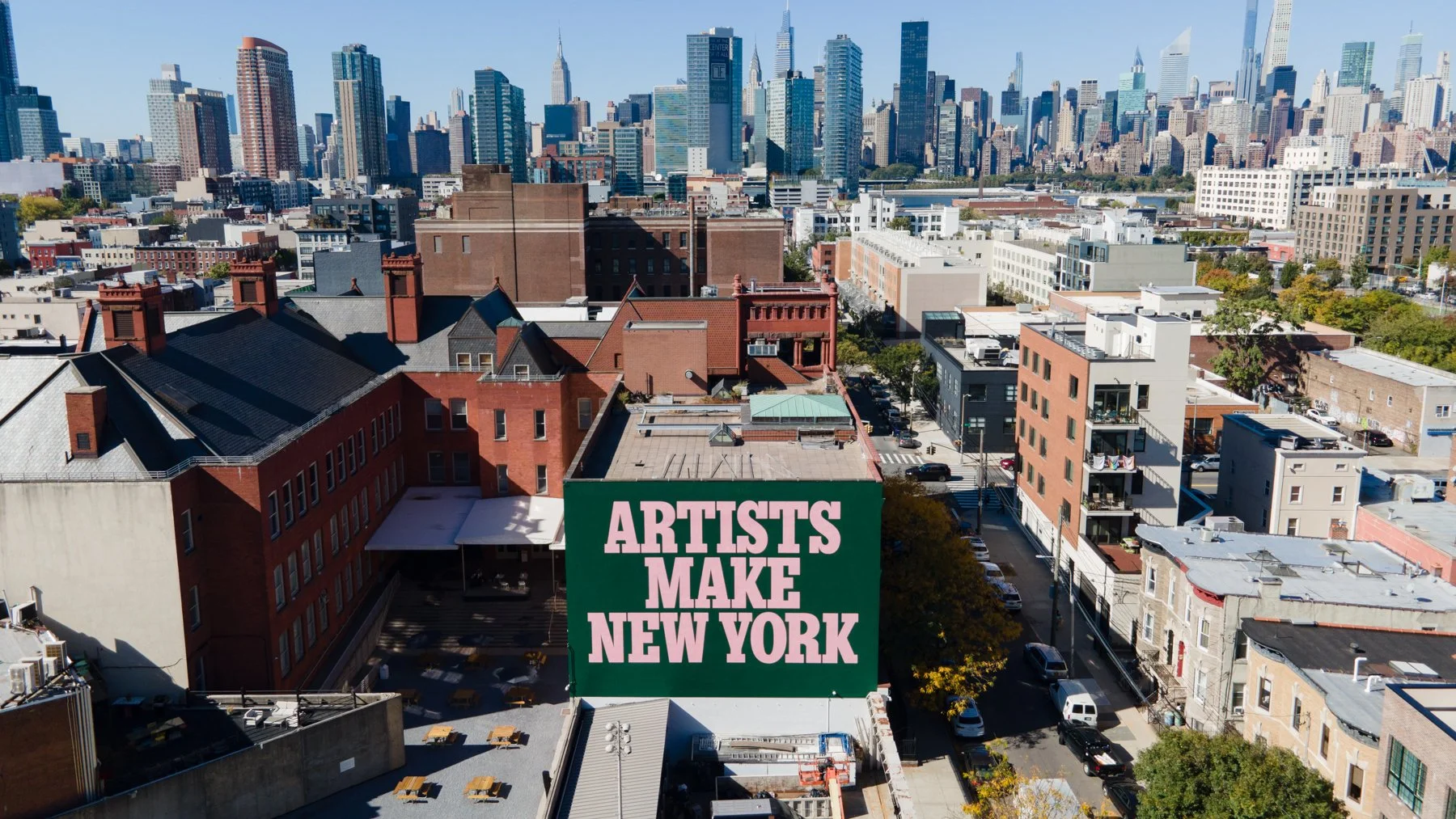
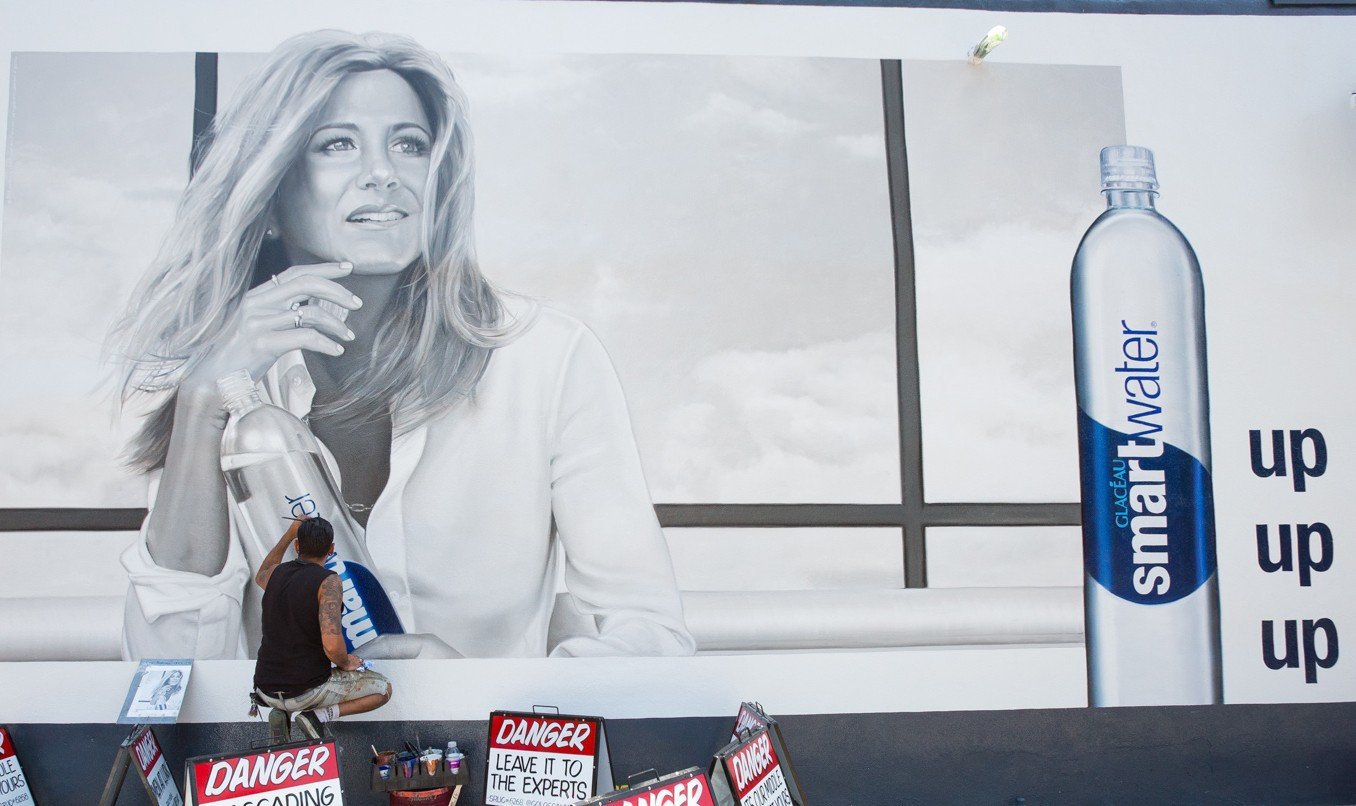
Early campaigns for brands like Rockstar Games and Adult Swim demonstrated how painted walls could thrive in a modern media mix. They offered painted permanence, texture, and spectacle that no printed surface or digital screen could replicate
A NEW ERA
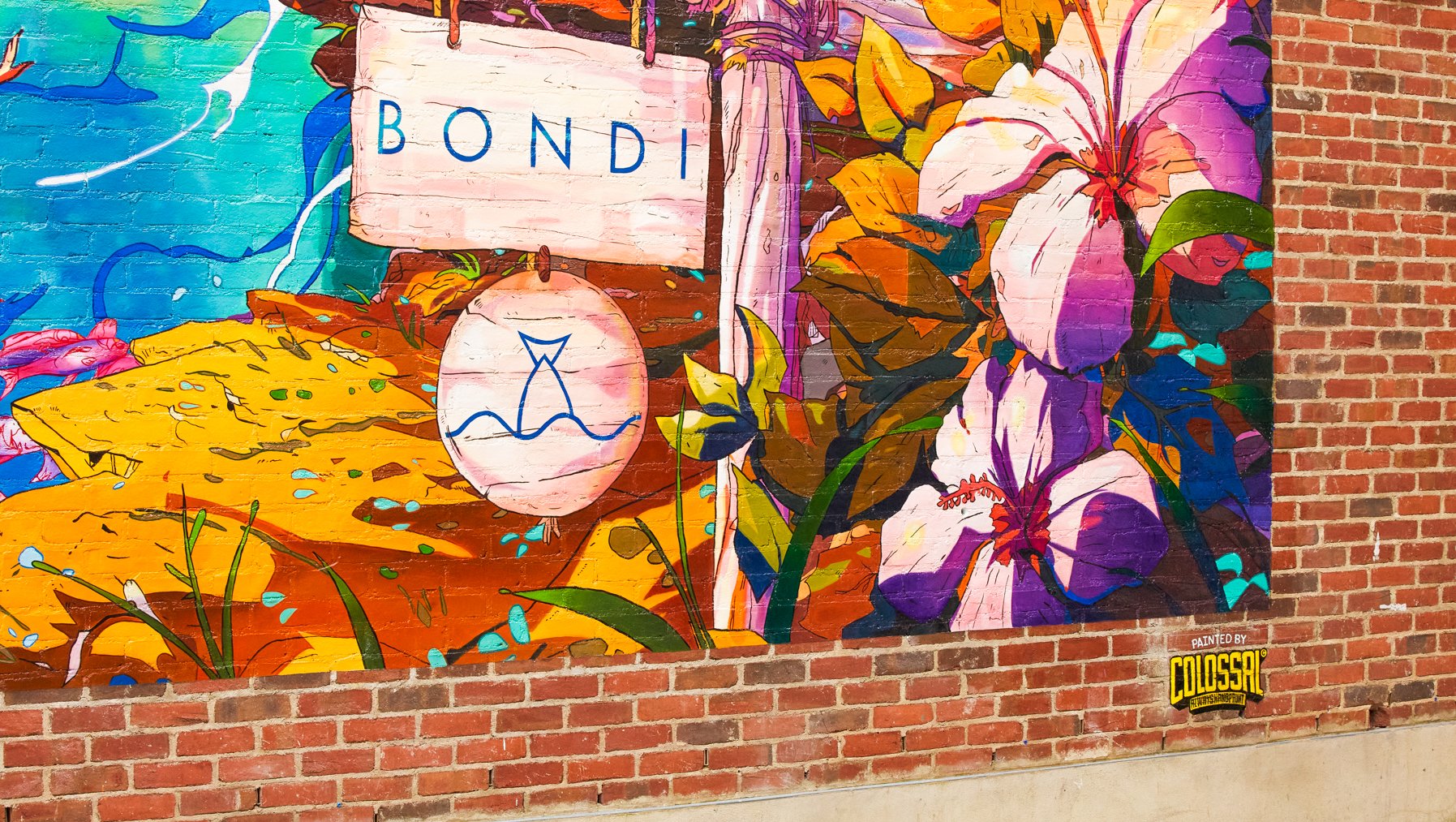
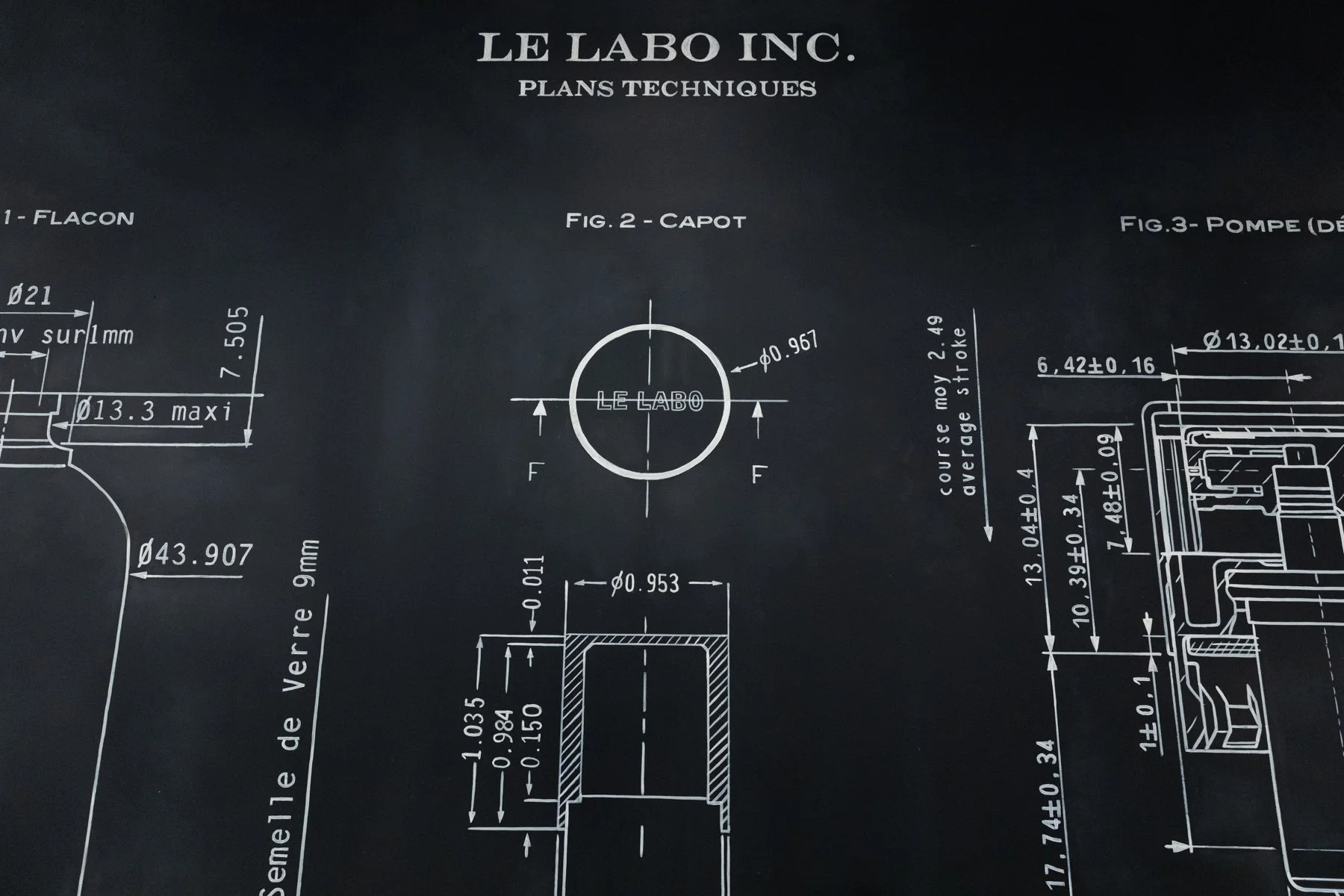
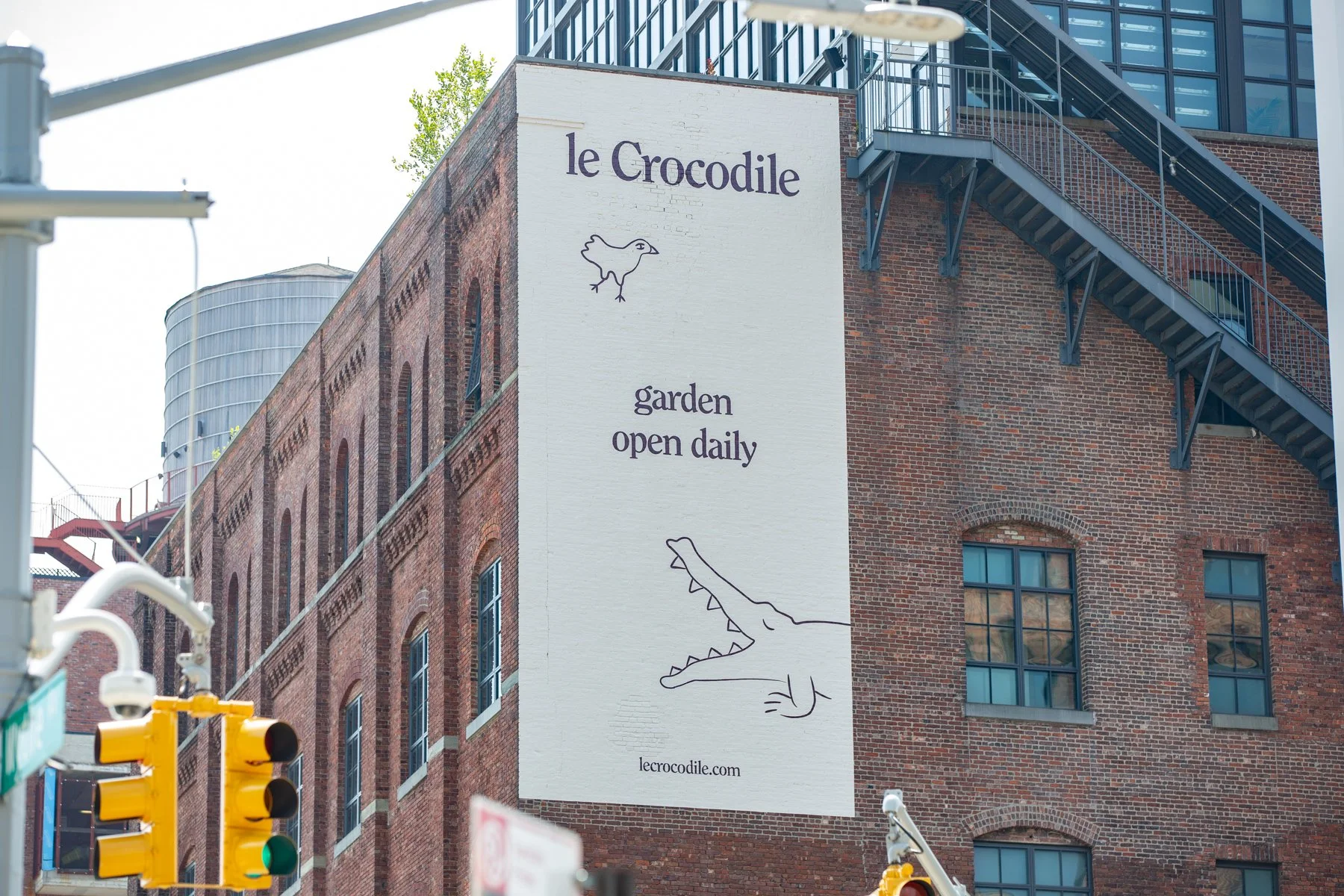
Today, mural advertising has re-entered the mainstream. Major outdoor advertising operators now offer hand-painted formats alongside digital and vinyl. New mural companies have emerged globally. At the same time, small businesses and restaurateurs increasingly commission painted storefront signage to signal authenticity and permanence.
Paint has become culturally relevant again. Not nostalgic, but contemporary. Even political and civic campaigns have leaned into the aesthetic of classic New York lettering, citing the visual heritage of painted storefronts to signal local credibility and craft. These aesthetic lettering moments even inspire modern-day sign painters to replicate.
This renewed interest reflects something deeper: audiences are drawn to craftsmanship and work completed by hand and with skill.

Fresh Paint, Old Walls
Colossal’s modern work sits in direct dialogue with the lineage and legacy of hand-painted advertising.
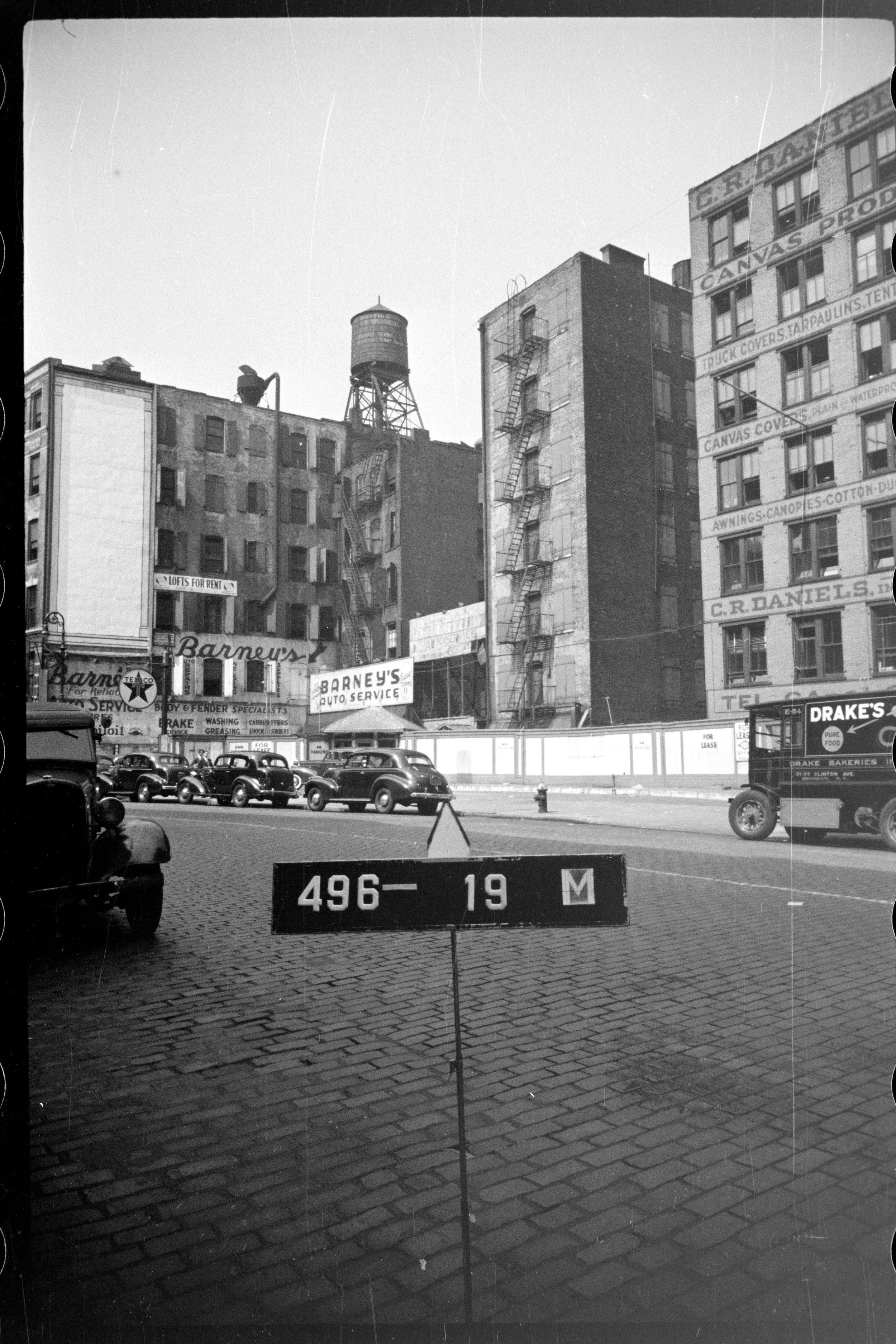
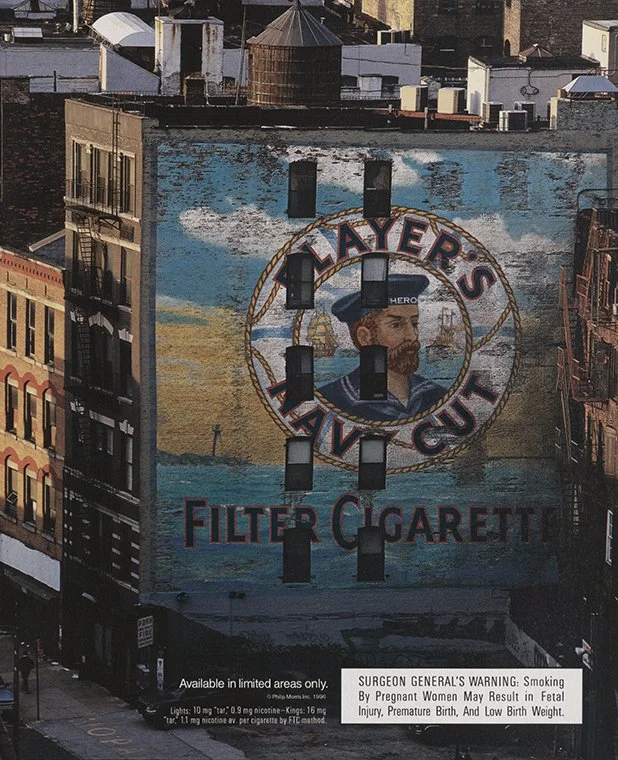
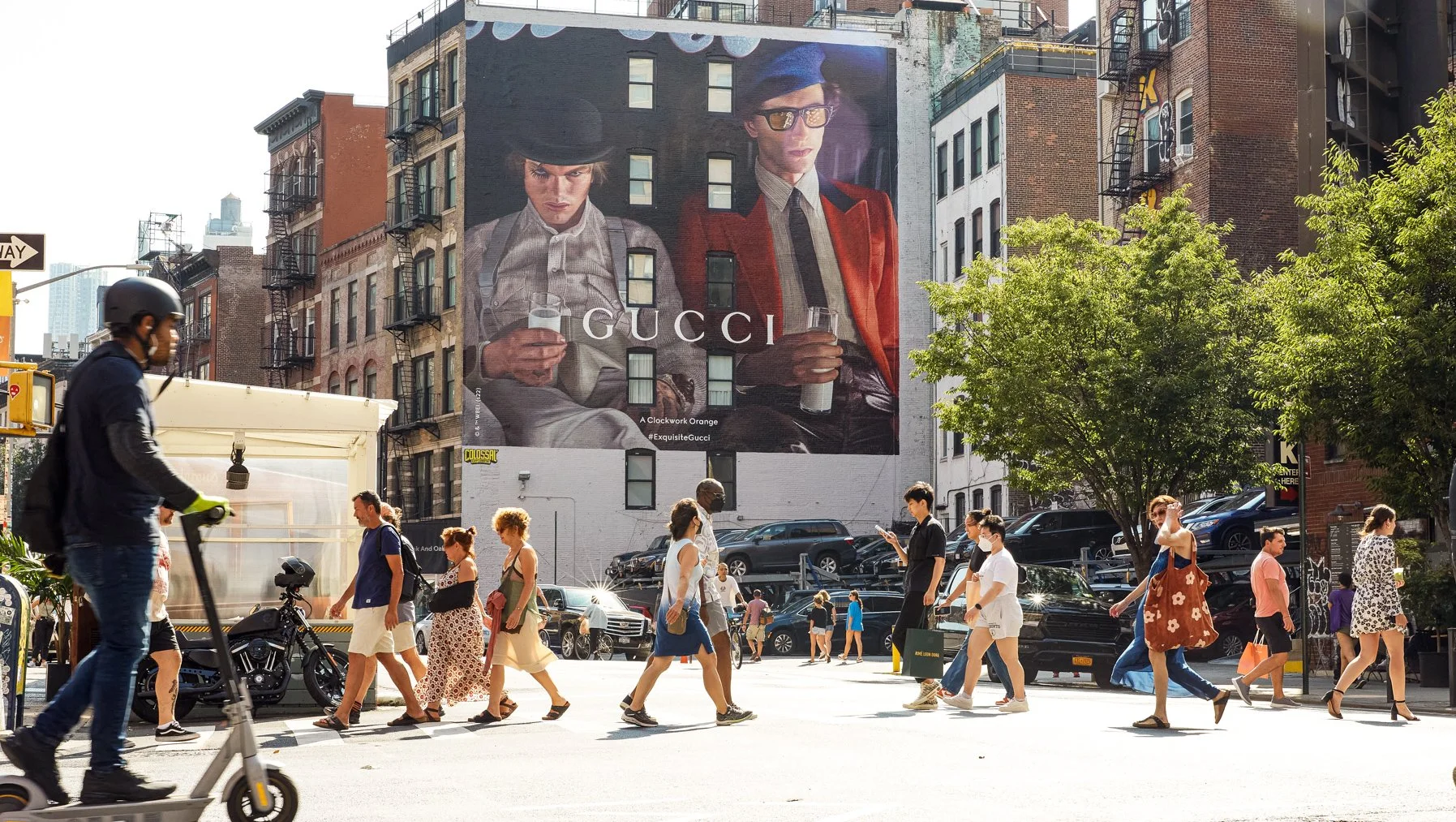
Before it became known globally as the Gucci Art Wall, one of Colossal’s longest-running SoHo locations hosted automotive signage in the 1940s and a Player’s Navy Cut tobacco mural in the 1990s.
With more than 100 layers of historic and Colossal paint, today, the Gucci Art Wall appears in Google Maps as a recognized landmark and even opens Hulu’s documentary series In Vogue: The 90s —a reminder that hand-painted advertising continues to shape the visual memory of cities.
Setting the Modern Standard
Over two decades, Colossal resurrected the hand-painted outdoor advertising industry in the 21st century. Today, our company commits to:
The preservation of the hand-painted craft in outdoor advertising
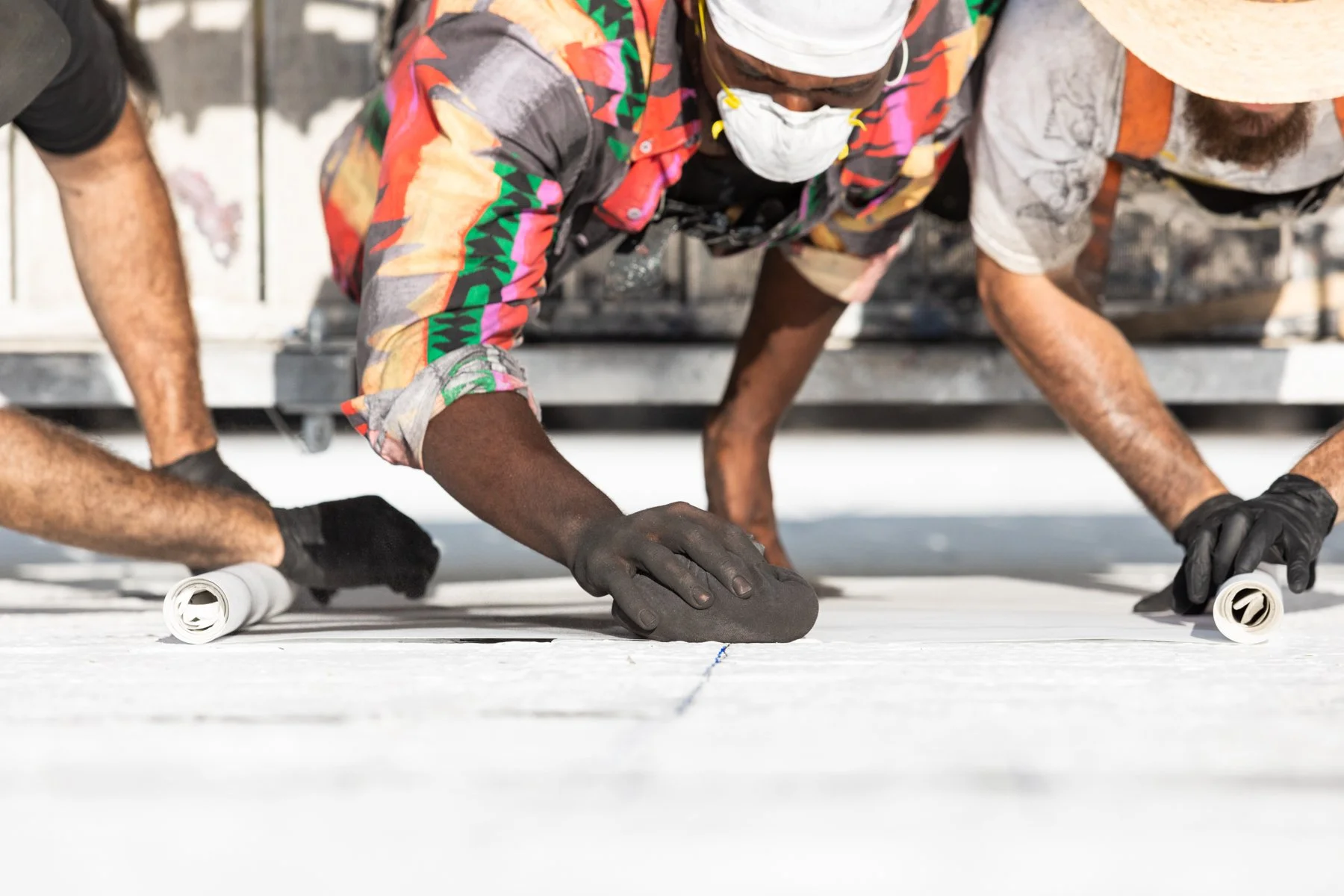
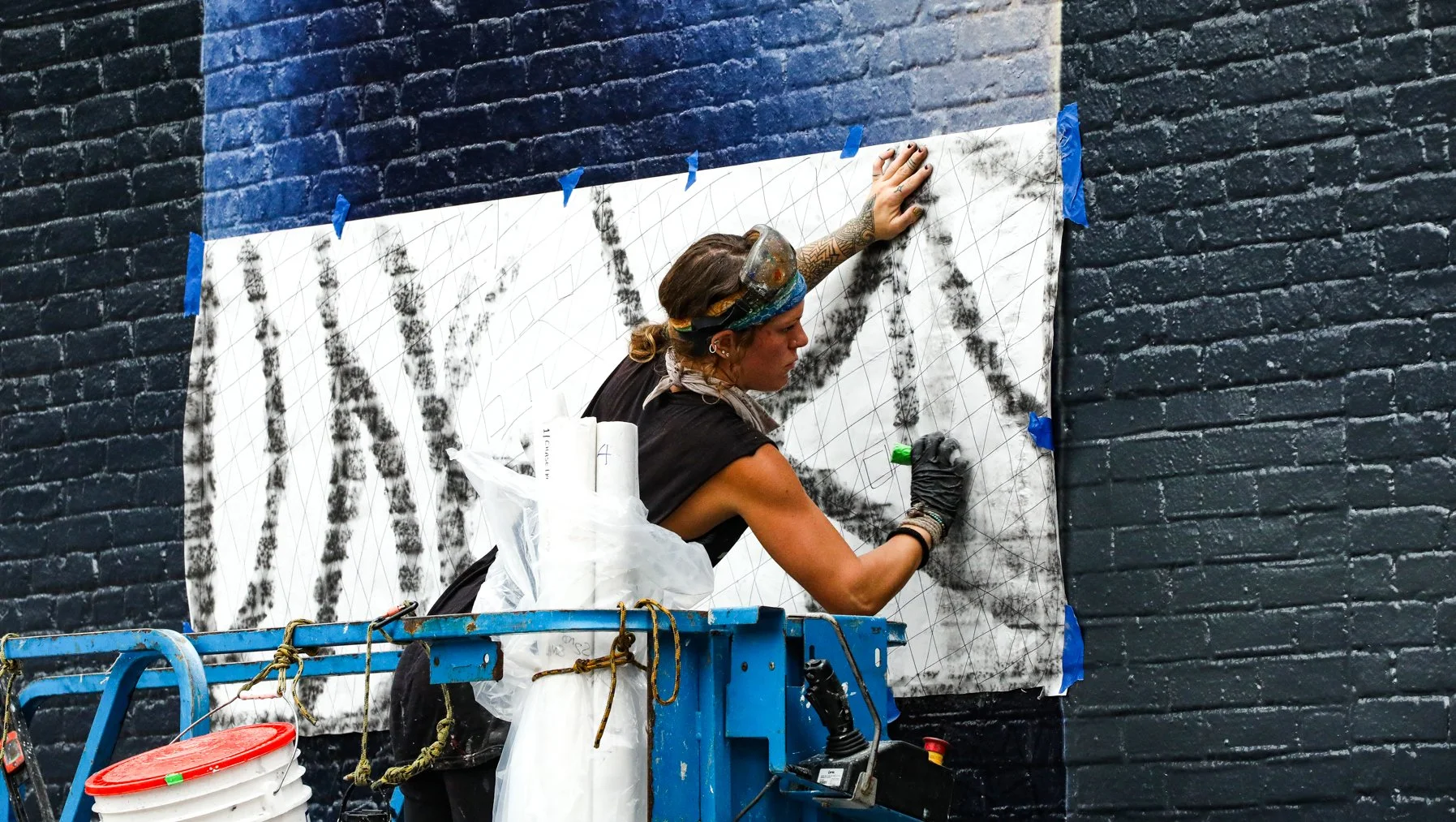
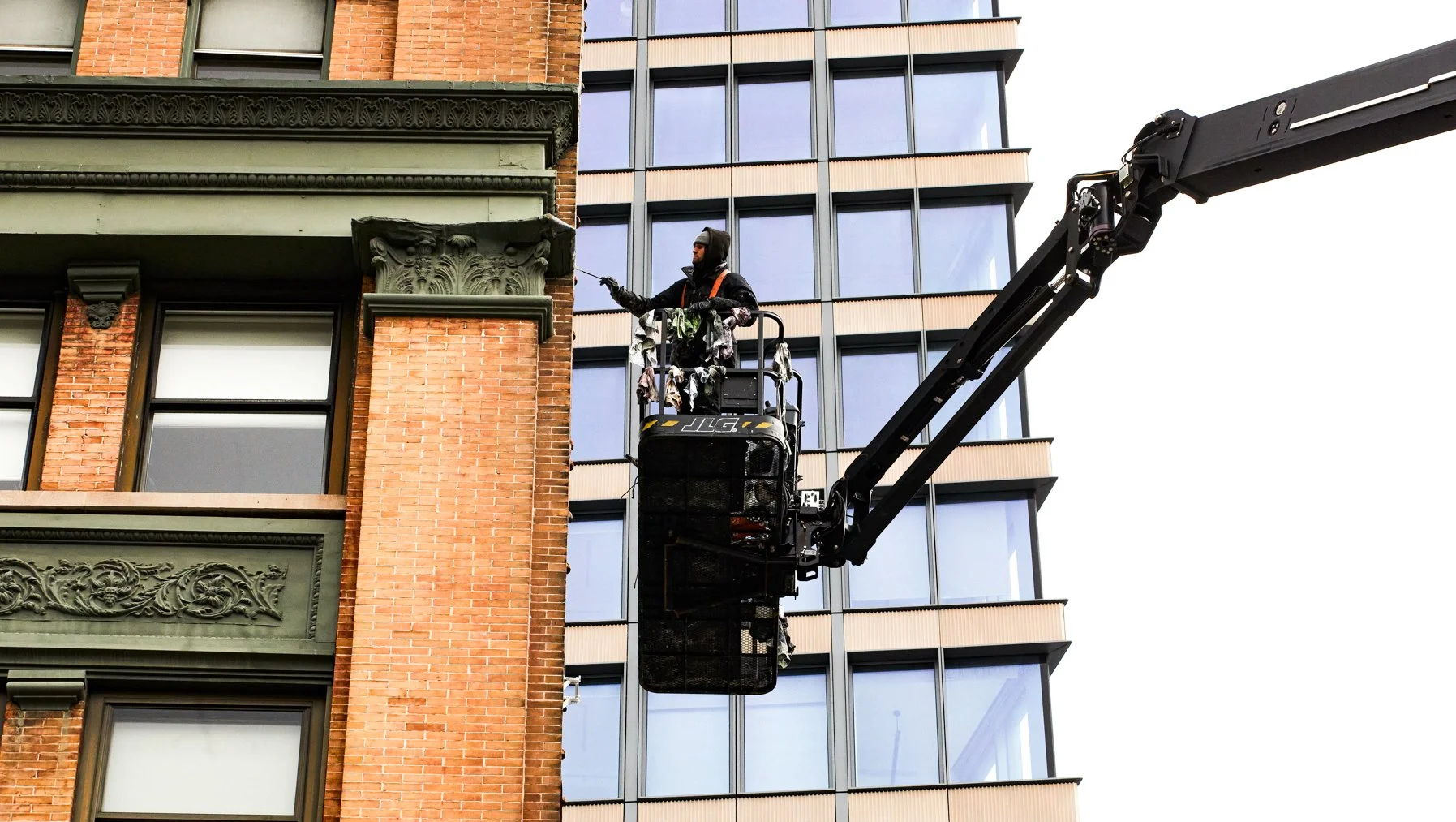
Safety and training for our team to access walls safely
Apprenticeship programs to teach the next generation of walldogs
Collaboration with artists and creatives because our team is filled with artists and creatives
Craftsmanship and Always Hand Paint
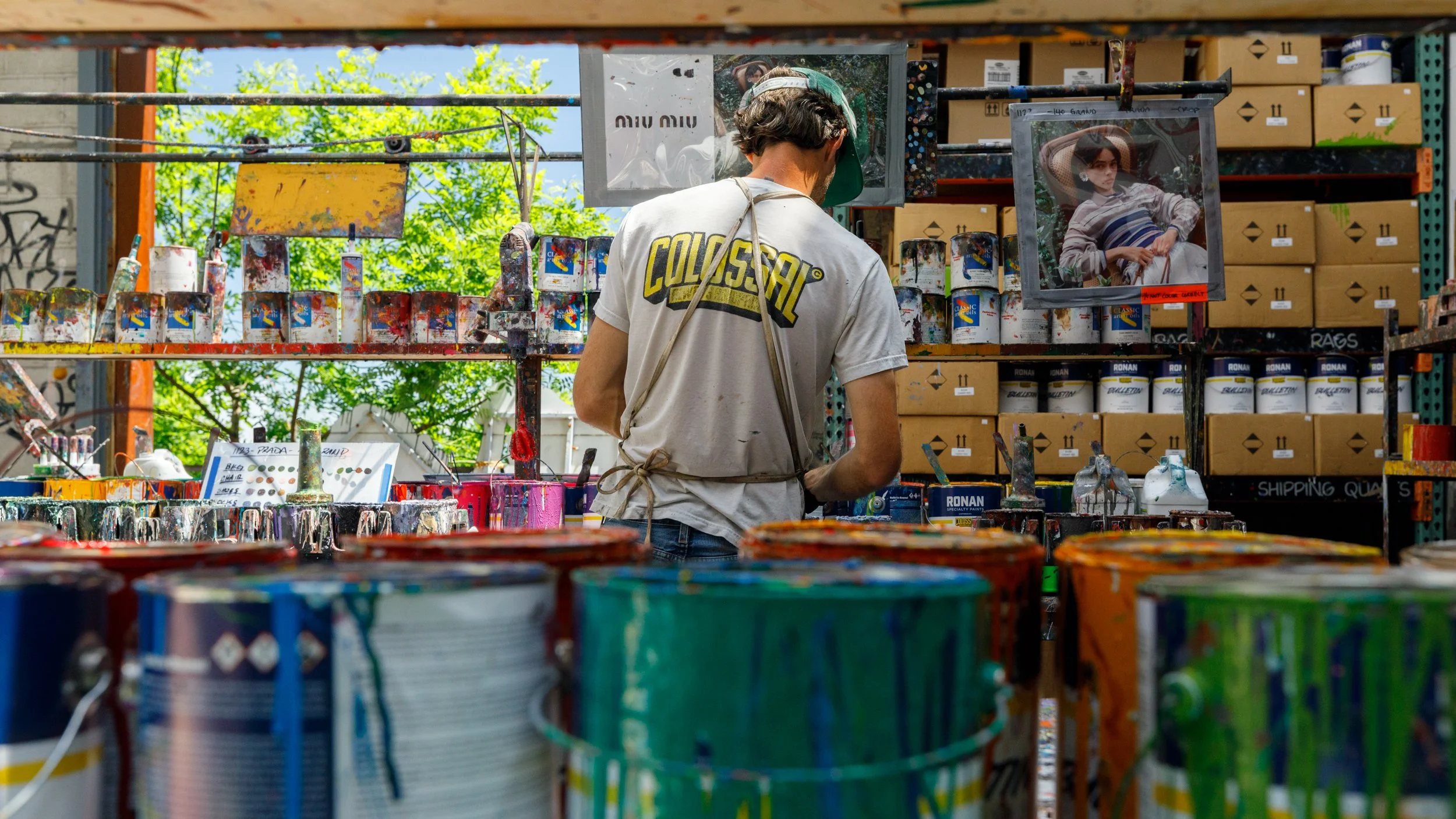
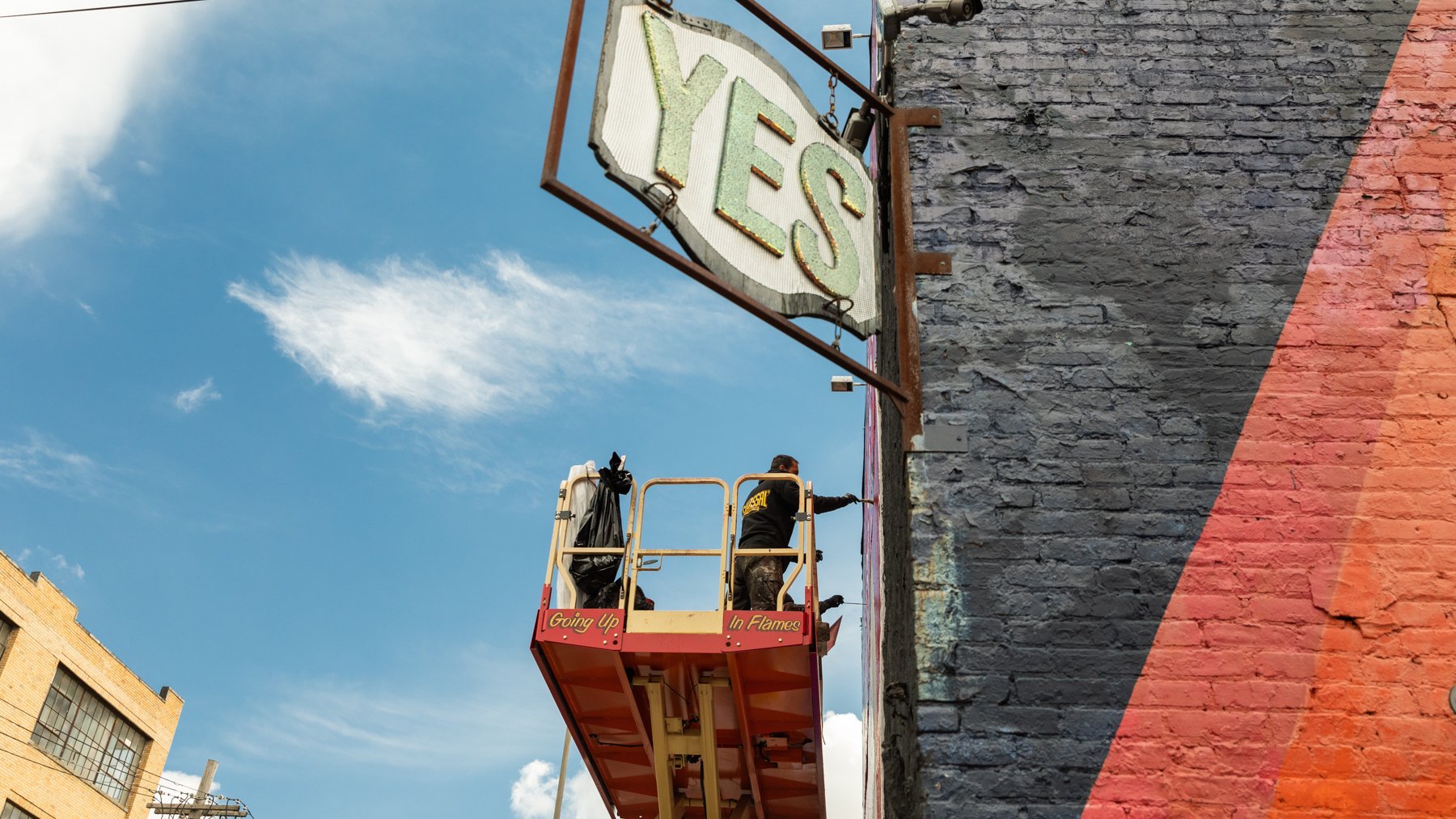
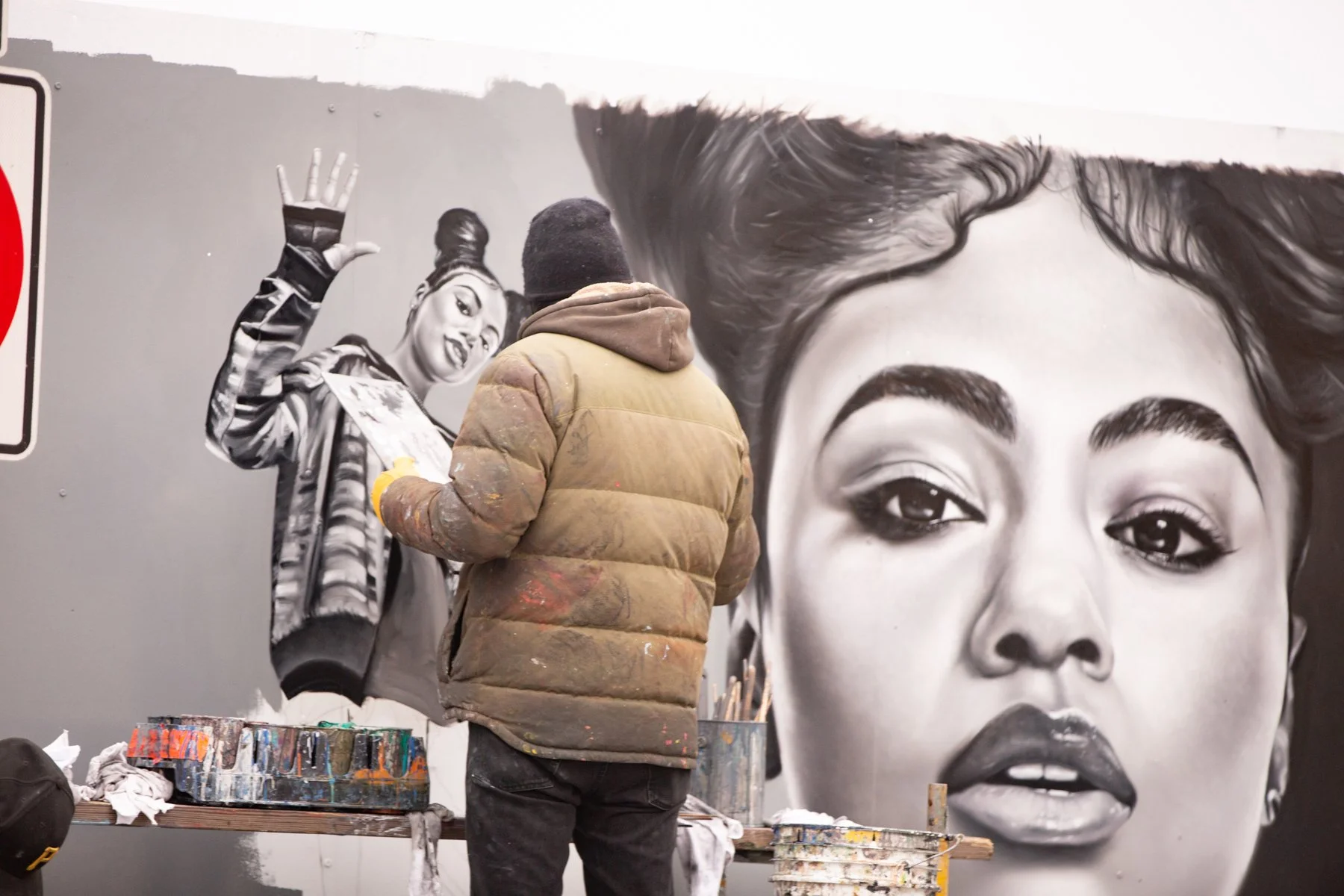
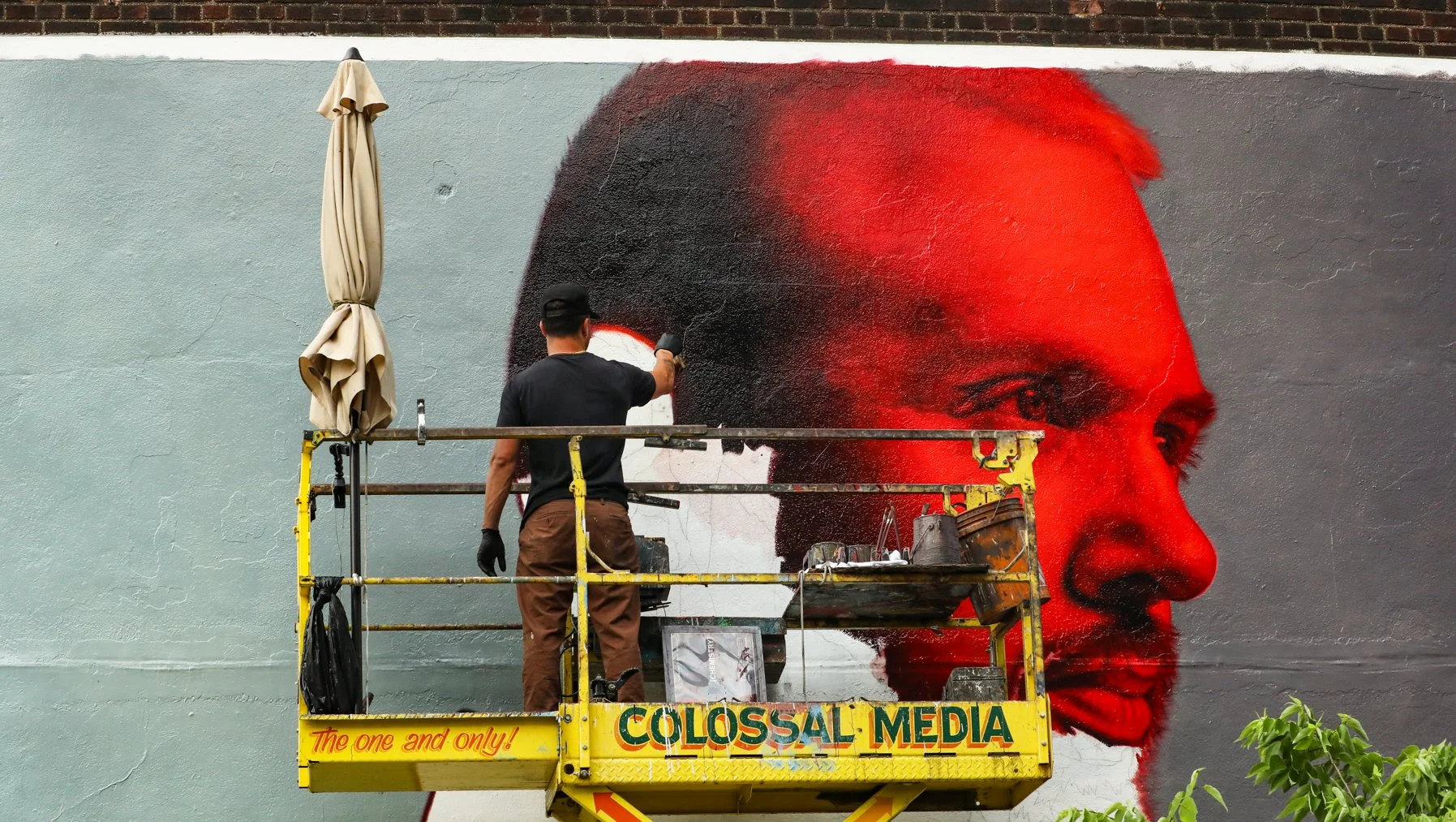
Thanks to the support of the community, our team spends our days challenging our paint and production skills, being outdoors, and always rising to the gritty, boom-lifted, weather-inclusive reality that makes a walldog.
From ghost signs fading on brick walls to modern-day mural advertisements, hand-painted advertising has endured because of its craft and the visual act that captivates viewers on the street. What began as a trade passed between generations of painters is now a global medium again.
-
-
Non-Colossal photography sources listed by order of appearance within this article.
RKO Palace, MGM Attractions and Schenley hand-painted advertisements in New York. Photo from 1934. Source: Duke University.
Broadway at 45th St. Joseph Chenck presents George Arliss in Darryl F Zanucks's The House of Rothschild. Photo from 1934. Source: Duke University.
Nighttime shot of Coca-Cola hand-painted advertisement. Photo from 1934. Source: Duke University.
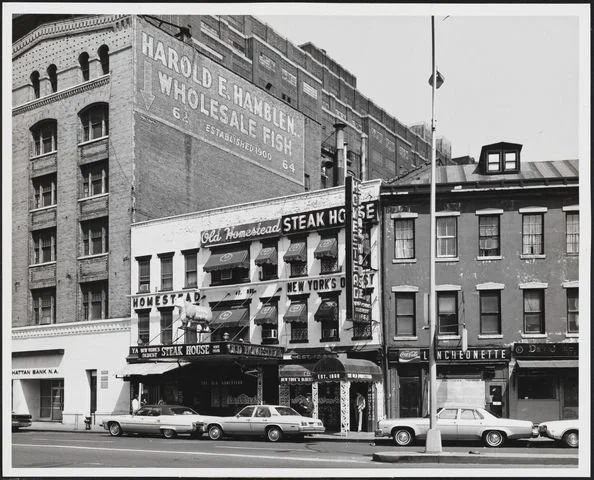
Old Homestead is one of the oldest steakhouses in New York, and even America. Open since 1868, it’s older than both Peter Luger's and Keens. Photo from 1978. Source: Urban Archive.
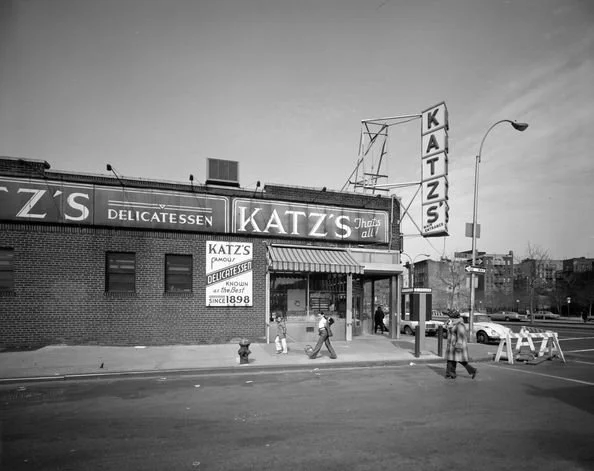
Katz’s Delicatessen, a New York staple since 1898. The image features a fabricated overhead Katz’s sign and smaller hand-painted sign in the bottom left. Photo from 1975. Source: Urban Archive.
The Bridge Cafe was a grocery and "wine and porter bottler", and once NY’s last standing “pirate bar” that opened in 1794. This photo features signage painted on the lower right and a hand-painted mural on the top right on the rear building. Photo from 1932. Source: Urban Archive NY.
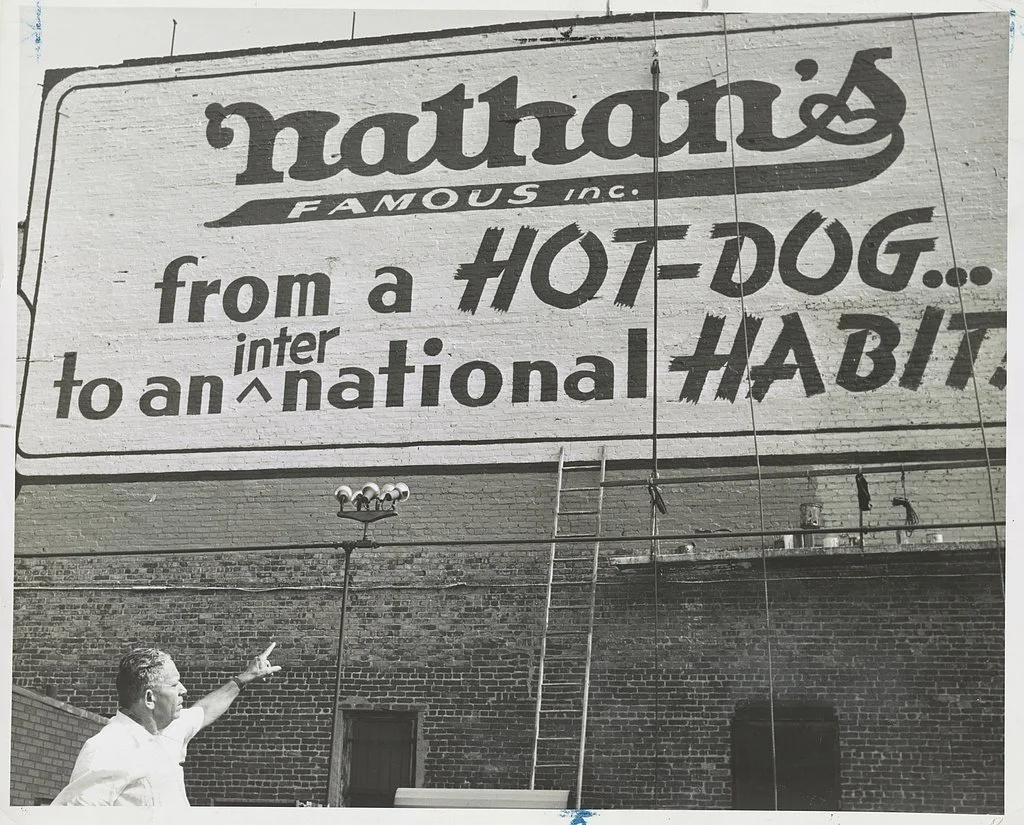
Nathan’s Hot Dog Hand-Painted Mural Advertisement in Coney Island, New York. The worldwide hot dog brand was founded by Nathan Handwerker, a European Jewish immigrant, in 1916. Photo from 1959. Source: Library of Congress.
An image of a “Library on Wheels” Brooklyn Public Library bookmobile unit managing book deliveries in Canarsie. Photo from 1955. Source: Brooklyn Public Library.
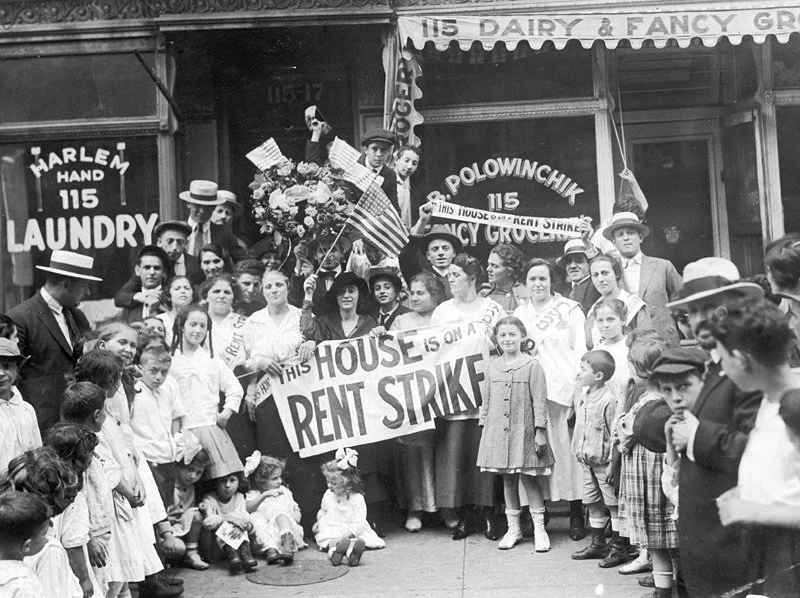
A rent strike in Harlem featuring hand-painted protest signage and business storefront signage. Photo from September 1919. Source: WikiCommons.
A group of twelve young children with their bikes gather in front of two storefronts, somewhere between West 20th St. and West 29th St. between Neptune Ave and Surf Ave., in Coney Island, Brooklyn in 1972. Source: Brooklyn Public Library.
A Player's Navy Cut - Mural II logo on the five-story SoHo building, now the Gucci Art Wall. Photo from 1996. Source: Yale University Library.

SAY IT WITH PAINT
Reach out to learn how you can transform your big campaign idea into a Colossal success.